 Games catalog

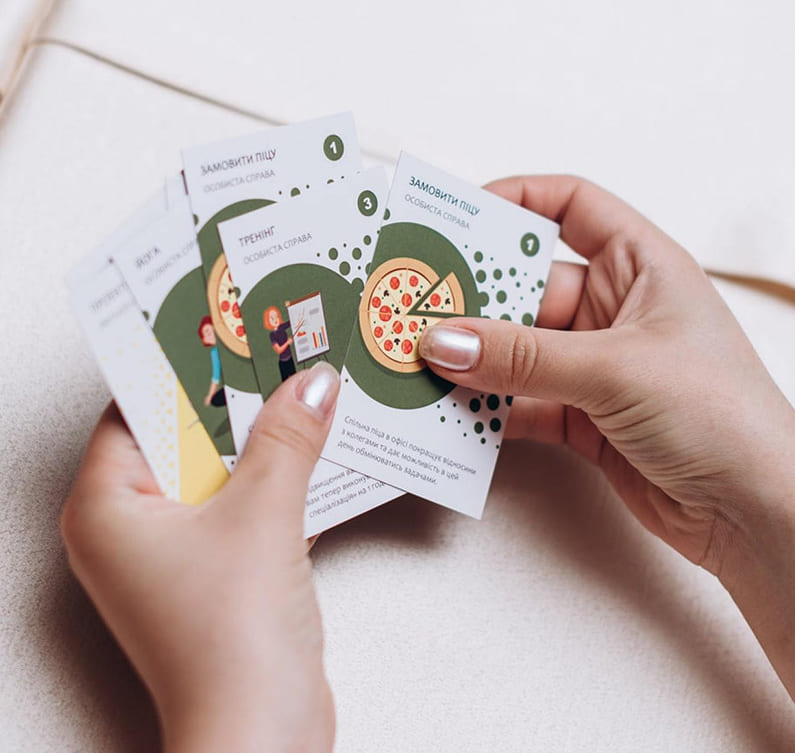
Imagine playing a board game with friends, colleagues, or even strangers. You’re making decisions, negotiating, disagreeing, building strategies — all in a relaxed setting. In that moment, you’re actually training your soft skills — the essential personal qualities that matter just as much as professional knowledge.
What are soft skills?
Soft skills help us interact effectively with others:
-
communication
-
emotional intelligence
-
critical thinking
-
adaptability
-
time management
-
teamwork
-
leadership
These skills are vital not only at work but in daily life — in conversations with loved ones, in decision-making, and in staying calm under pressure.
How do board games help develop soft skills?
-
Communication
Most games require interaction. You practice expressing ideas, listening, and finding agreements. -
Critical thinking
Good games challenge you. You analyze, make choices, and think ahead. -
Emotional intelligence
Board games teach you to notice emotions, respond empathetically, and keep the group dynamic positive. -
Leadership and teamwork
In cooperative games, a leader isn’t the boss — it’s the one who unites. You see trust and support in action. -
Stress resilience
Losing a game is safe practice for real-world setbacks. It’s a great way to learn how to lose with grace.
Why should I care?
Strong soft skills mean more than just career success. They lead to a better quality of life:
-
easier social connections
-
better response to change
-
deeper understanding of yourself and others
And all of that — through play, without pressure, and with joy.
Order our games – spend your time interestingly and usefully! 🙂